
Colorectal Surgery: Diagnosis & Treatment
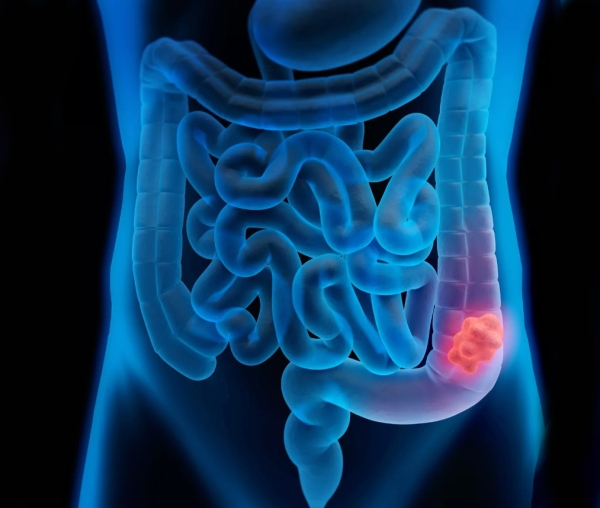
Treatment Options for Colon and Rectal Conditions
Colon and rectal surgery is indicated for the treatment of different conditions affecting the large intestine and rectum when medical management is not sufficient or when the clinical situation requires surgical intervention.
Each case is assessed individually, taking into account the diagnosis, the severity of the condition, diagnostic test results, and the specific characteristics of each patient.
When may surgery be indicated?
Surgical treatment may be considered in a variety of situations, including:
-
Complicated diverticular disease
-
Large polyps not suitable for endoscopic removal
-
Intestinal obstruction
-
Lower gastrointestinal bleeding of surgical origin
-
Tumors of the colon or rectum, when surgical treatment is indicated
The indication for surgery is always established after appropriate evaluation and individualized clinical assessment.
Multidisciplinary approach in complex cases
In certain situations—especially when there is suspicion or confirmation of tumoral disease—treatment is planned using a multidisciplinary approach, in coordination with the relevant medical specialties (such as gastroenterology, radiology, pathology, oncology, and anesthesia, among others).
This collaborative approach allows the most appropriate strategy to be defined for each patient, ensuring safety, accuracy, and comprehensive care.
Surgical approaches
Depending on the type of condition and the complexity of the case, surgery may be performed using different techniques. The primary goal is to treat the condition safely, minimize risks, and promote an appropriate recovery.
Laparoscopic surgery
In many cases, treatment can be carried out using laparoscopic surgery, a minimally invasive technique performed through small abdominal incisions.
Its main advantages include:
-
Reduced postoperative pain
-
Lower risk of complications
-
More comfortable recovery
-
Shorter hospital stay
Open surgery
In selected cases, open surgery may be required, particularly in complex situations or when clinical conditions make this approach more appropriate.
The choice of surgical technique is always based on medical criteria and patient safety.
How is the type of surgery decided?
The decision regarding the most appropriate surgical approach depends on several factors, including the type and severity of the condition, the patient’s general health status, the results of diagnostic tests, and an individualized clinical assessment. Not all patients require surgery, and not all conditions require the same treatment.
Your Health, Our Priority
Each case should be evaluated on an individual basis to determine whether surgical treatment is necessary and to identify the most appropriate therapeutic option.
If surgery has been suggested, we can help you understand your options and decide the best approach for your case.
Patients Reviews
⭐⭐⭐⭐⭐ Dr. Alevizos is incredible. He explains everything patiently and always with a great attitude. From the very first minute, he made me feel calm and in good hands. You can tell he genuinely cares about how you’re doing and not just about solving the problem quickly. If you’re looking for a surgeon who truly cares about you and is amazing at what he does, he’s the one.
Carlos B
⭐⭐⭐⭐⭐ A great professional from the very beginning. During the consultations, he thoroughly understood my case, always approachable and reassuring. The procedure went as well as expected, and with the treatment I’m following, I’ve improved significantly.
I’m truly grateful to have been in good hands.
Manu P
⭐⭐⭐⭐⭐ For me, it has been an enormous stroke of luck to put myself in his hands for a pathology that is so difficult to treat and complicated to resolve. My most sincere thanks and all my love to Dr. Alevizos
NGQ
⭐⭐⭐⭐⭐ I have been operated on twice by Dr. Alevizos, and without a doubt, he is a great professional who is caring and deeply involved with his patients. I felt absolute peace of mind in his hands. Thank you for everything, Dr. Leonidas!
Francisco J
⭐⭐⭐⭐⭐ Without a doubt, Dr. Leonidas is a spectacular surgeon, in addition to providing gentle, kind and reliable treatment. I was lucky enough to be operated on by him for a pilionidal cyst after having previously been operated on twice without obtaining good results... until I put myself in the hands of Dr. Leonidas, who thanks to his intervention after almost two years, I am in perfect condition. been and I haven't had any problems again!
Alejandro R
⭐⭐⭐⭐⭐ His patience, kindness, and professionalism throughout the whole process—from diagnosis to surgery and discharge—gave me peace of mind and helped me cope in the best possible way.
Truly grateful
MTT
⭐⭐⭐⭐⭐I had stomach surgery by surgeon Leonidas Alevizos and noone can imagine the great quality of life he gave me. His history with me was always his absolute concern for my digestive problems and there was not a single consultation in which I did not feel understood or supported. His psychology with me was excellent, my post-operative period was very monitored by him and I could not have felt more cared for at the time when I felt most vulnerable.
MLS
⭐⭐⭐⭐⭐Grateful from the first moment for the humane treatment that the doctor gave me. He was attentive to any problem or doubt
Agustín H
Your Well-being, Our Expertise